


The Ultimate Guide to Fox Deterrents: Safeguarding Your Property Intelligently
Though foxes exhibit some alluring traits from a distance, they are a nuisance to homeowners, farmers, and gardeners. Foxes invading a property can rummage through rubbish, attack poultry, or disrupt crops. The stress and financial loss from fox intrusions can be considerable. Thankfully, modern technology provides a range of effective and humane fox deterrent solutions.
We have prepared a comprehensive AI-powered deterrent systems, and traditional methods of fox deterrents.
Why Invest in Fox Deterrent Technologies?
Back gardens, poultry farms, gardens, and suburban regions with unsecured pet food are easy targets for foxes. The opportunistic nature of foxes makes them easy to lure with food, shelter, or water.
Besides being a nuisance, foxes are carriers of mange, toxocariasis and numerous other diseases. Smaller pets or livestock are also in danger. Placing a reliable fox deterrent can safeguard your property, such as your home, a farm or a plot of land, and ensure cleanliness without damages.
Understanding Fox Behavior: Essential for Selecting Effective Deterrents
To effectively keep foxes away, it is vital to understand their behavior:
Nocturnal by nature: Most foxes are active at twilight and through the night.
Territorial instincts: Foxes tend to revisit places they have marked previously.
High intelligence: They adapt quickly to static deterrents if not changed regularly.
Sharp senses: Foxes heavily rely on their hearing and smell.
Understanding these behaviors assist in choosing deterrents that foxes cannot easily outwit or circumvent.
Types of Fox Deterrents
There are several categories of fox deterrents. Let’s break them down:
1. Physical Barriers
Fencing: Electric fences and taller fences with a buried base are effective at stopping foxes from digging.
Coop Reinforcements: Protect chicken coops with secure mesh wire, locking mechanisms, and enclosures for night time.
Pros: Physical deterrents are effective for small areas and are long lasting.
Cons: They are expensive, and not practical for large open spaces or fields.
2. Scent Based Repellents
Foxes are sensitive to smell, and some repellents include:
Urine from predators, such as lion or wolf.
Chilli, garlic, and vinegar sprays.
Fox repellents.
Pros: These are inexpensive and easy to apply.
Cons: These need to be reapplied regularly, especially after rain.
3. Motion-Activated Lights and Sprinklers
Quick movements and sudden illumination can startle foxes.
Motion-activated floodlights.
Automatic sprayer systems that activate when movements are detected.
Pros: Non-invasive and simple to implement.
Cons: May be short-term solutions due to fox habituation.
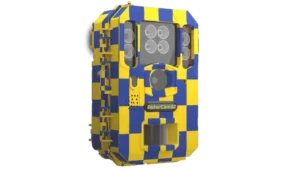
The Game-Changer: AI-Powered Fox Deterrence Systems
The modern era has presented sophisticated technological solutions for fox deterrence with one notable example being the AI-powered fox deterrence system, which is a multifunctional, high-tech, and ethical device requiring no upkeep for fox deterrence.
How It Works
Unlike static feature devices, this system combines the following features:
AI-powered motion and sound detection: Identifies a fox and/or similar animals through identifiable movement and sound patterns.
High-frequency sound emission: Ultrasonic sounds which are intolerable, yet harmless to animals, including foxes.
Flashing lights: Stimuli that harm foxes sense as safety and comfort.
Customizable: Changeable frequency, volume, and light settings allow for adaptation to the environment and severity of the fox situation.
The system is triggered as soon as a fox is detected and thus no chance of settling or scouting.
Why AI-Powered Deterrents Are Superior
Effective deterrents do not harm the deterred. Foxes are kept at a safe distance through sensory discomfort rather than traps, shocks, or poisons.
Uses and Deterrent AI Adaptability
The AI improves with fox encounters, learns from its environment, and patterns, thus reducing false alerts and adjusting sensitivity.
Maintains functions and tasks for extended periods without supervision or manual checks. Ideal for managing expansive areas, such as farms and nature reserves.
Uses renewable energy sources like solar panels and eliminates the need for chemical repellents or false fencing materials.
Deployment of multiple units in different zones will increase efficiency and complete spatial coverage.
Fox Deterrent Targeting Best Uses
Vegetable, fruit, and root crop fields.
Protect small livestock such as rabbits and hens from predation by foxes.
Protect pets and waste from being scavenged by foxes in suburban backyards.
Lessen chances of foxes lurking in populated areas or near roads.
The systems’ weather-resistant designs and wireless configurations allow them to function in remote or rough terrains.
Additional Tips To Boost Deterrent Effectiveness
Properly sealing and removing fox access to pet food helps to not attract them. Fox-proof containers that are difficult to access and seal tightly deter tampering.
Remove Sheltering Spots
For foxes, dense shrubs, woodpiles, or even open sheds serve as hideouts. Make sure to remove any and all debris from your property.
Rotate Deterrents
In the absence of AI-powered systems, adaptable fox repellents and deterrents should be used in rotation to avoid foxes becoming accustomed to your methods.
Use Companion Animals
Some farmers deploy guardian animals, in the form of dogs or donkeys, to scare off foxes. These do require training and care.
Secure Entry Points
Fencing gaps, gaps under gates, and broken fences around your property should all be repaired and securely closed.
Legal and Ethical Considerations
In many areas, foxes are protected under wildlife laws. Without special permission, it is illegal to harm, poison, or trap them. Because of this, fox deterrents, especially AI-powered ones, are far more humane and, importantly, legally compliant.
Final Thoughts: Choosing the Right Fox Deterrent for Your Needs
Whether it is a persistent fox intruder in your backyard or a full-blown infestation in your fields, the goal is to select a deterrent suitable for your environment, budget, and ethical concerns.
FAQs About Fox Deterrents
Q1: Do ultrasonic fox deterrents actually work?
Ultrasonic fox deterrents work, especially when integrated into an AI system. Foxes are sensitive to high-frequency sounds, and these sounds, when activated in a real-time manner, can effectively deter them.
Q2: Can I use a dog to keep foxes away?
Some large or loud dogs may assist, although not without risking the dog’s safety. Pet safety is an issue when foxes exhibit bold or aggressive behavior.
Q3: How often should I apply scent repellents?
Every few days, or after it rains. It is important to remember that scent deterrents do not offer a long-term solution.
Q4: Will a fox deterrent also affect my pets?
As a rule, pets are unlikely to be affected by ultrasonic fox deterrent devices as the sounds are emitted at frequencies beyond the hearing range of pets, being tuned to predominantly affect animals like foxes. However, it is advisable to observe pets’ reactions to the devices during the first few uses, adjusting the settings as necessary.
Q5: Is it legal to install a fox deterrent in my area?
Generally speaking, most non-lethal fox deterrents, including devices powered by artificial intelligence, are legally permitted in residential and farming areas. That said, it is advisable to consult local by-laws before installation.