

Introduction
Agree:
If you’ve ever been stranded on a train, delayed for hours, or missed an important appointment because of “signaling issues,” you’re not alone. Much of the chaos that commuters and freight operators face in Britain is linked to a surprisingly low-tech crime: railway cable theft.
Promise:
In this article, we’ll break down what railway cable theft is, why it continues to plague the UK rail system, the scale of damage it causes to passengers, businesses, and taxpayers, and the latest innovations including AI powered sensors that aim to combat it once and for all.
Preview:
By the end of this blog, you’ll understand:
- The growing problem of cable theft railway incidents.
- The economic, operational, and social costs of rail cable theft.
- How network rail cable theft disruption affects thousands daily.
- The role of law enforcement, technology, and community awareness in tackling this issue.
- A promising solution: AI-driven acoustic detection technology.
What is Railway Cable Theft?
Railway cable theft refers to the deliberate removal and illegal sale of metal cables especially copper and signaling wires from railway lines. Thieves often target:
- Signaling cables crucial for controlling train movements.
- Overhead power lines powering electric trains.
- Trackside equipment and fencing stolen for scrap value.
Britain’s railway is designed to “fail safe.” This means that when a cable is cut, the system automatically stops trains to prevent accidents. While this protects passengers, it also means that even a small incident of cable theft can paralyses entire routes, creating widespread delays.
The Scale of the Problem
Startling Numbers
- Over 13,500 incidents are reported each year across the railway network.
- More than 400 trains are delayed daily due to disruption caused by cable theft.
- Millions of pounds are lost annually by Network Rail, with the wider economy—freight delays, missed appointments, disrupted supply chains bearing even higher costs.
Why Thieves Target Railway Cables
- High scrap value: Metals like copper fetch good prices on the black market.
- Ease of access: Large stretches of track run through rural or poorly monitored areas.
- Low perceived risk: Many thieves believe they can steal and sell cables before authorities catch them.
The Ripple Effect of Rail Cable Theft
Rail cable theft doesn’t just inconvenience passengers it sends shockwaves through multiple sectors of society.
1. Passenger Disruption
Imagine 8 AM on a Monday morning. A cut cable brings trains to a halt. Thousands of passengers are stuck on platforms or inside stationary trains, missing job interviews, medical appointments, and family commitments.
2. Freight & Supply Chain Chaos
Britain’s freight trains transport critical goods, from fuel to supermarket supplies. A delayed freight service can mean:
- Power stations waiting for coal deliveries.
- Supermarkets facing empty shelves.
- Manufacturers missing production deadlines.
3. Taxpayer Burden
Because Network Rail is largely government-funded, the financial impact of network rail cable theft disruption ultimately falls on taxpayers. Every stolen cable adds to the public’s bill.
4. Safety Concerns
While the system is designed to fail safe, the act of tampering with electrical or signaling cables puts thieves and railway workers at severe risk of injury or death.
Why the Problem Persists
Despite increased awareness, cable theft railway crimes continue to rise. Several factors contribute:
- Economic pressures: Rising living costs push some individuals toward opportunistic crimes.
- Organized crime rings: Some thefts are not small-scale but part of coordinated networks.
- Scrap market loopholes: Unscrupulous dealers may purchase stolen metal with little oversight.
- Rural exposure: Remote railway sections make theft detection and prevention challenging.
Historical and Global Context
The UK isn’t alone countries worldwide face similar issues:
- South Africa: Rail operators lose billions of rand annually due to rail cable theft.
- India: Growing incidents of power cable theft affect suburban networks.
- United States: Freight networks report costly delays linked to stolen metal.
However, the UK’s reliance on rail for both passenger and freight movement makes the problem particularly critical.
Measures Taken So Far
Network Rail and British Transport Police have implemented various strategies:
- Increased patrols: Officers and rail staff monitor hotspot areas.
- Marking technology: Using forensic marking liquids to track stolen cables.
- Public awareness campaigns: Highlighting the dangers and costs of cable theft.
- Harsher penalties: Courts are encouraged to treat cable theft as a serious crime due to its national impact.
Despite these efforts, incidents continue, proving that traditional methods alone are not enough.

Innovative Solution: AI Powered Cable Theft Detection
Here’s where technology steps in.
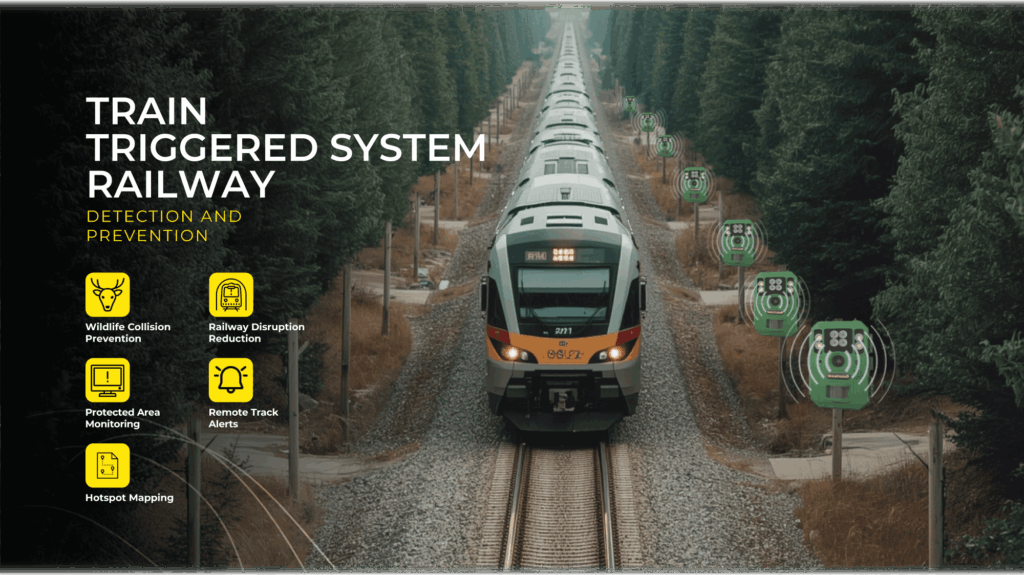
A groundbreaking solution uses AI powered sensors that detect the unique acoustic signature of grinders commonly used by thieves to cut cables.
How It Works
- Step 1: Sensors installed near trackside equipment continuously monitor sound patterns.
- Step 2: If a grinder’s sound is detected, the system confirms the match against its database.
- Step 3: Automated alerts are immediately sent to Network Rail and British Transport Police.
- Step 4: Audible and visual alarms activate on-site to scare off vandals.
This solution combines detection, deterrence, and rapid response, making it far more effective than human patrols alone.
Benefits
- Real-time protection stops theft as it happens.
- Enhanced safety reduces risk for passengers and rail staff.
- Taxpayer savings fewer incidents mean less financial loss.
- Scalable solution sensors can be deployed across vulnerable sections of the network.
The Road Ahead: Building a Resilient Rail System
Solving railway cable theft requires a multi pronged strategy:
- Technology Investment
AI-powered systems, CCTV with night vision, and drone surveillance can cover more ground at lower cost. - Stricter Scrap Metal Regulations
Authorities must ensure dealers only buy from verified sources, cutting off the black market incentive. - Public Engagement
Passengers and communities near tracks should be encouraged to report suspicious activity. - Law Enforcement Collaboration
Closer coordination between Network Rail, British Transport Police, and local authorities can ensure faster incident resolution. - Long-Term Education
Highlighting the real dangers electrocution, imprisonment, and community harm may deter potential offenders.
Key Takeaways
- Railway cable theft is a widespread problem causing network rail cable theft disruption daily.
- It affects not just trains, but also businesses, freight deliveries, and taxpayers.
- Traditional countermeasures have had limited success, but AI-driven acoustic detection offers a game-changing solution.
- A combined effort—technology, law enforcement, and public vigilance is the only way forward.
Conclusion
Railway cable theft may seem like a small crime, but its real-world impact is massive costing millions, delaying thousands, and straining the economy. While thieves may only see copper cables, what they truly steal is time, money, and peace of mind from millions of passengers and businesses.
The good news? Innovative technologies like AI-powered grinder detection sensors are paving the way toward a safer, more reliable, and disruption-free railway system. By combining cutting-edge solutions with stricter laws and community awareness, Britain can protect its railways and ensure smooth journeys for everyone.