Skip to content
DeterCam Case Study

Ascendi Case Study

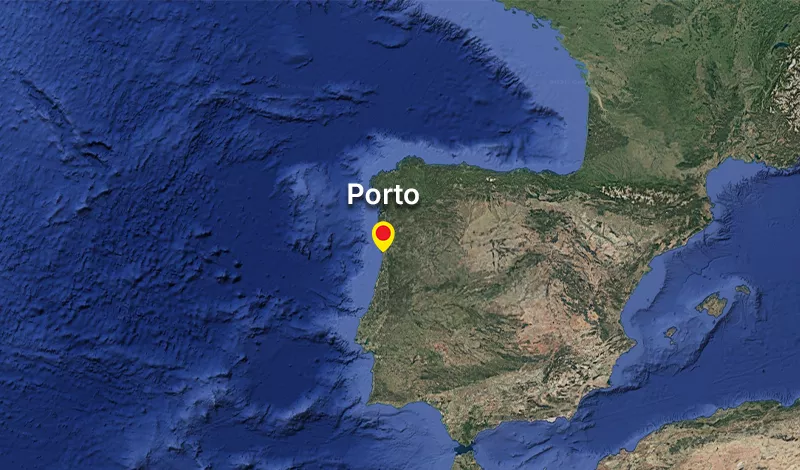
🇵🇹 Portugal Porto, Portugal
Target Wildlife:
Wild Boar Wild Boar
Project Overview

Project Overview

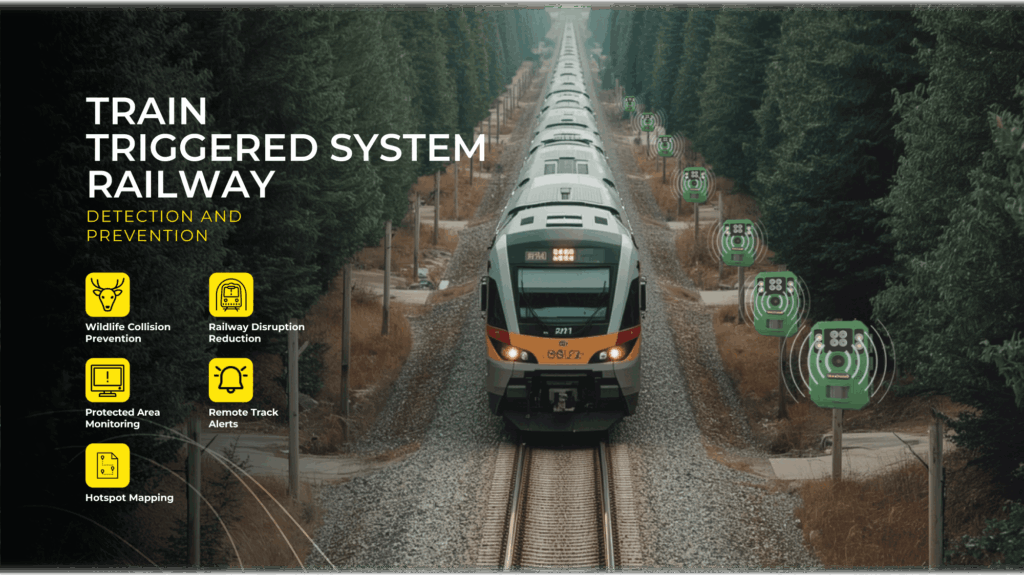
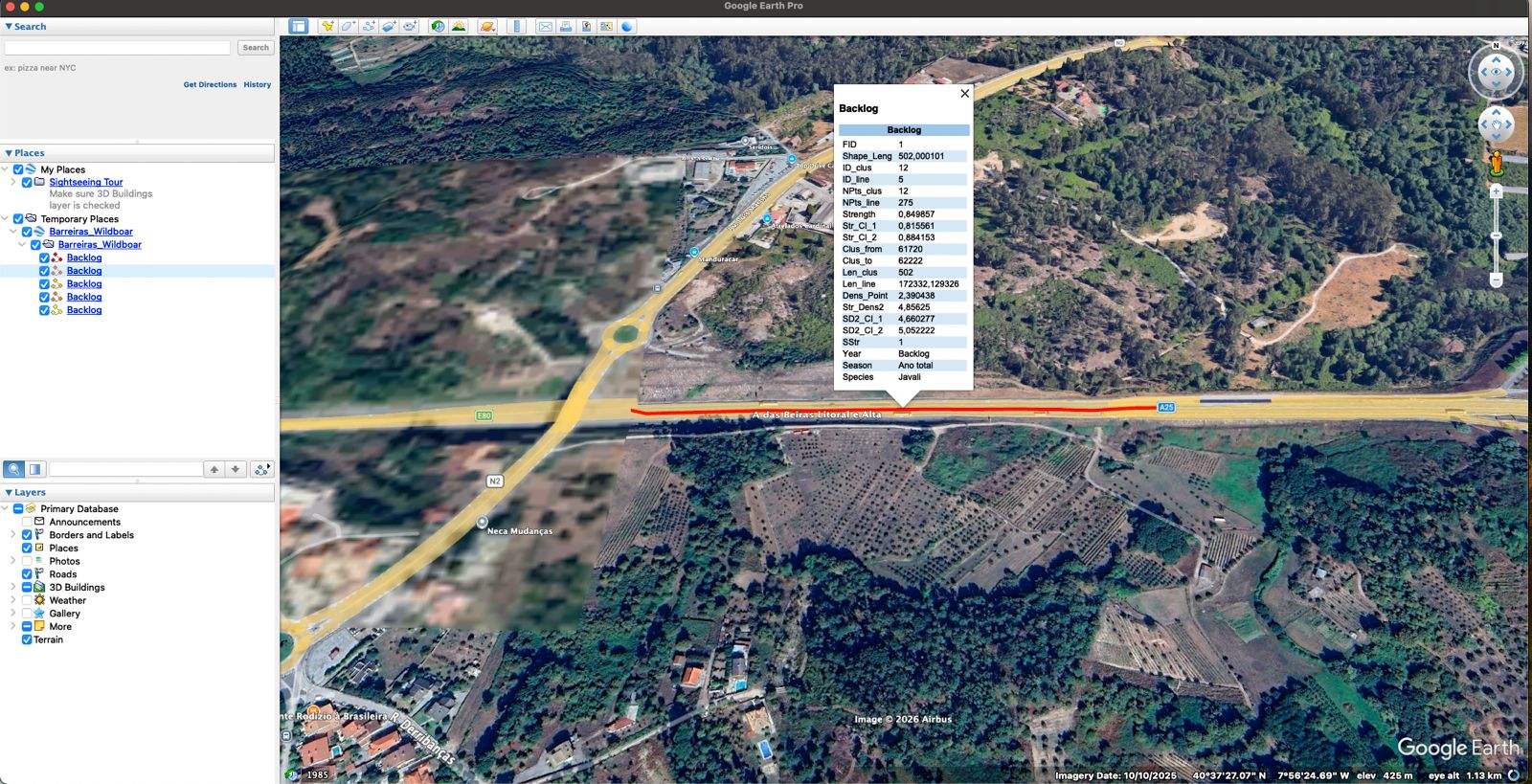
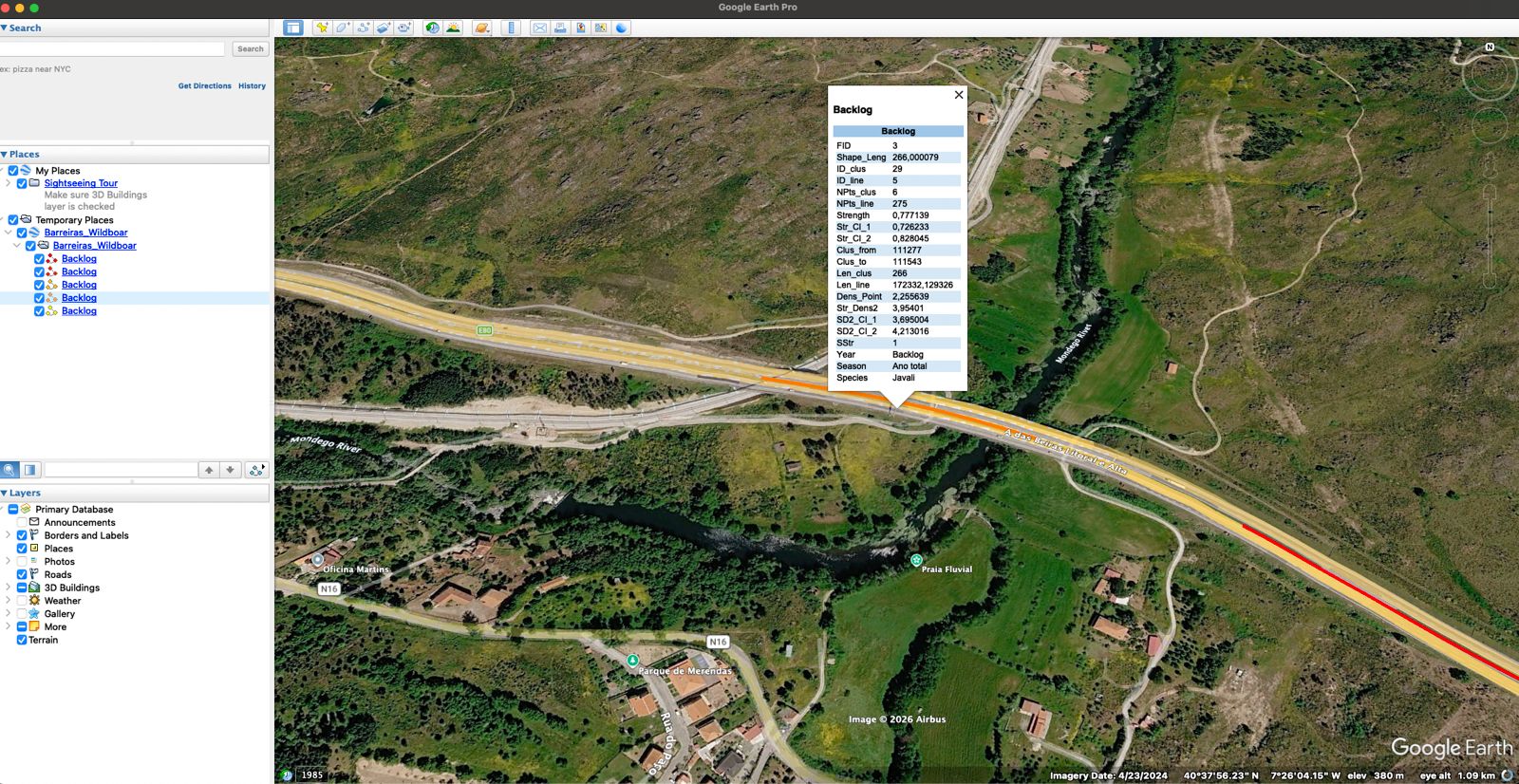
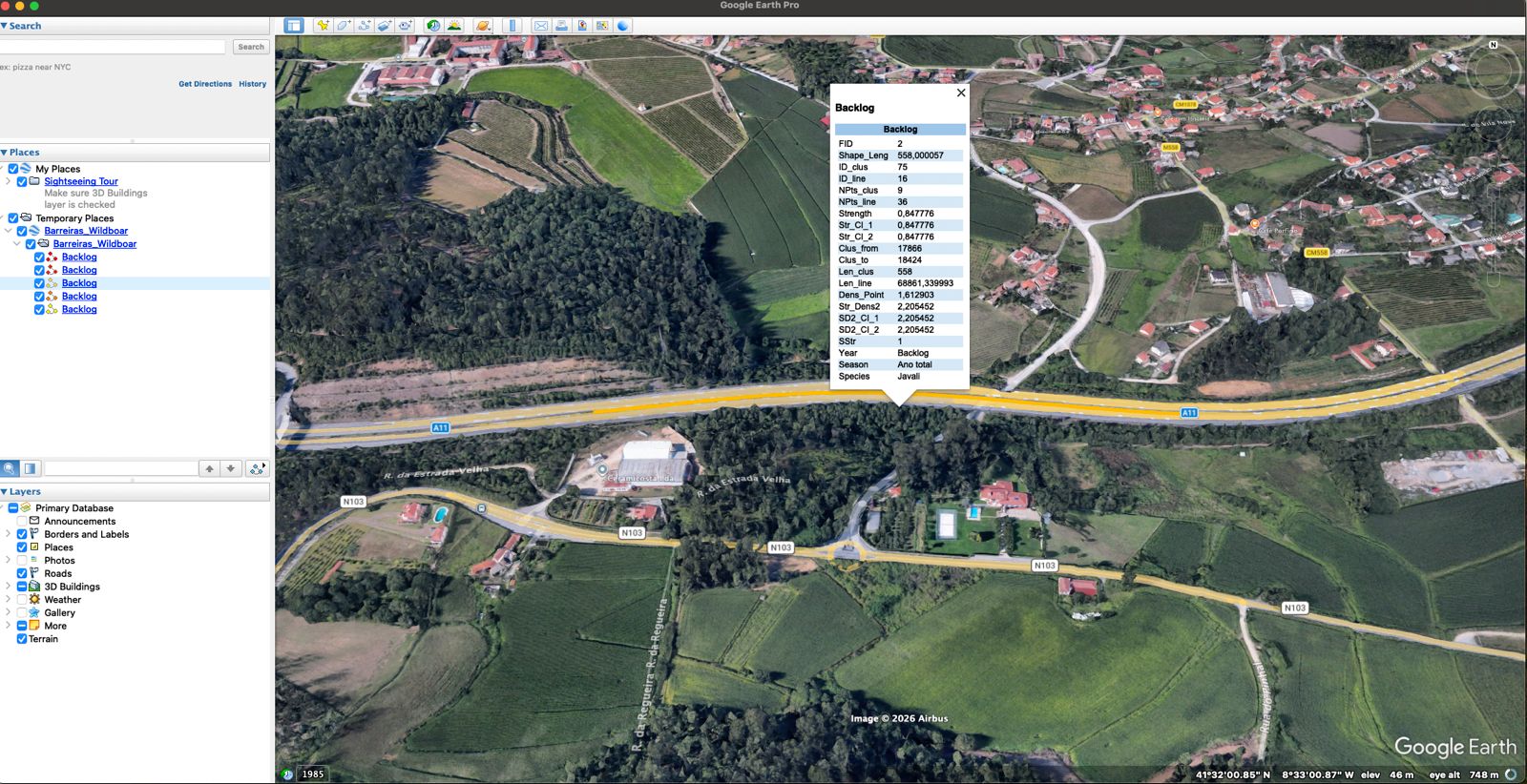
Innovation Factory is collaborating with Ascendi on a proposed pilot to evaluate DeterCam for detecting and deterring wild boar and dogs approaching motorways in Portugal.

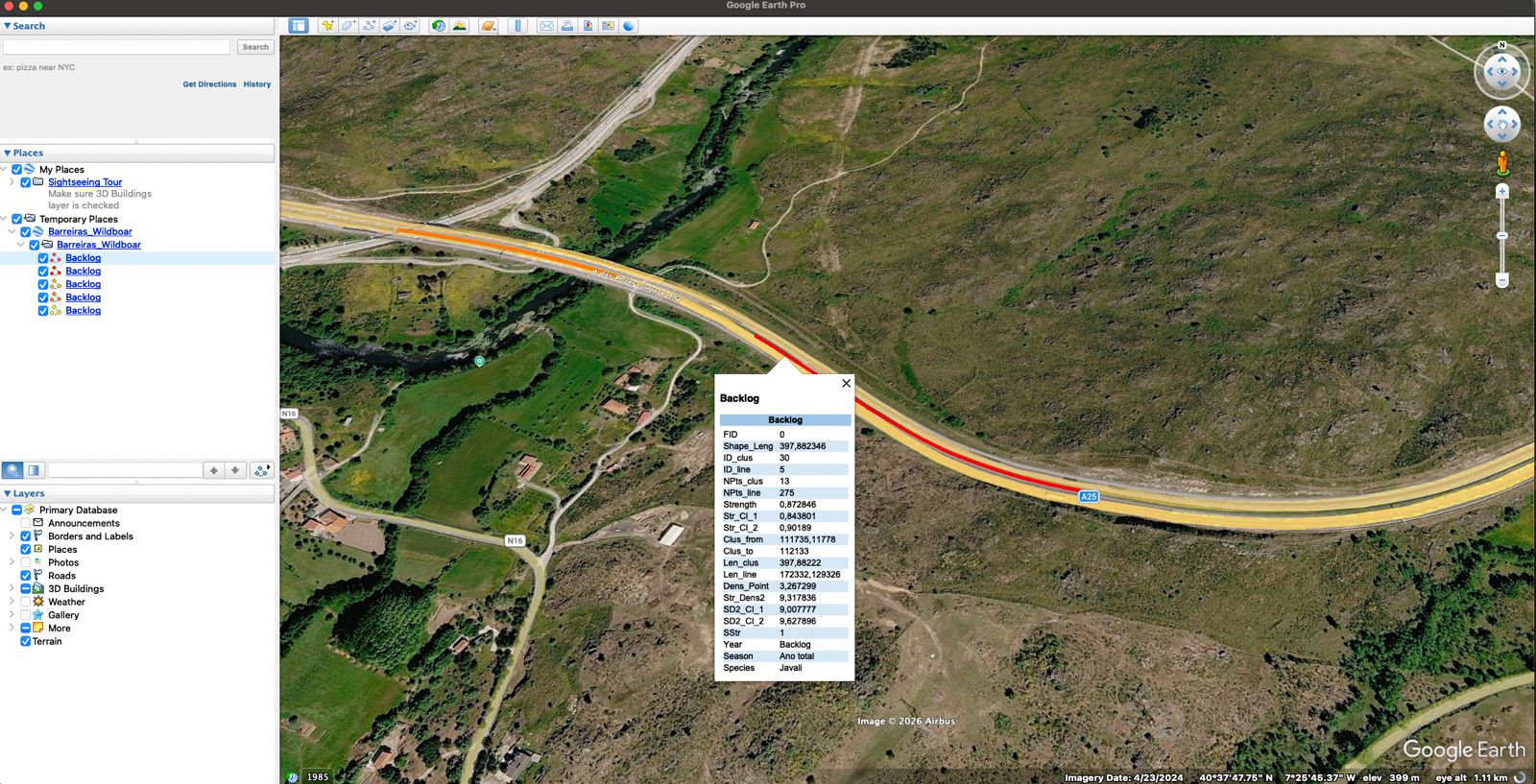
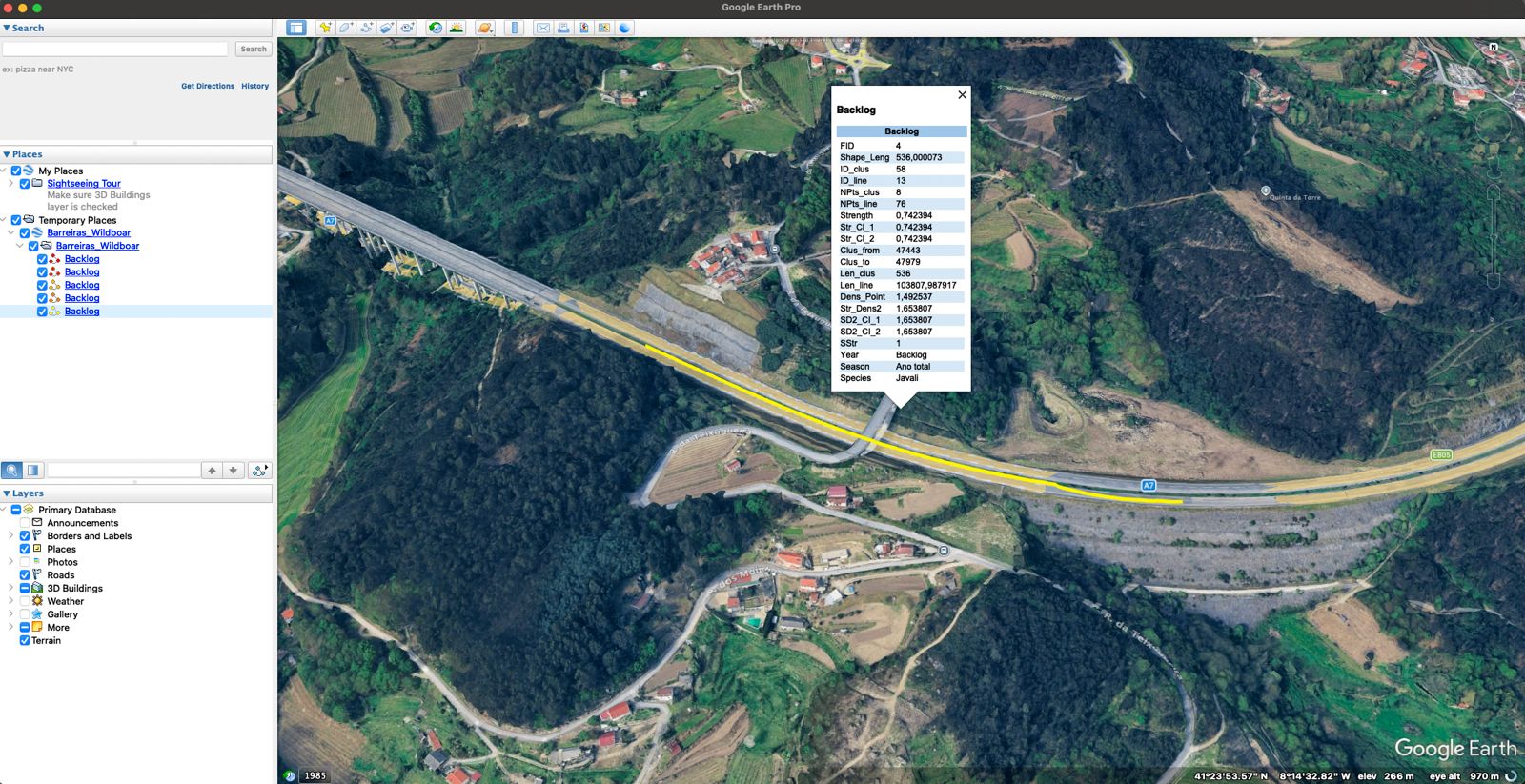
The initial deployment will focus on a small number of selected hotspots, allowing both teams to validate detection performance, animal responses and operational reliability before considering wider installation. Site selection will be informed by historical collision records, seasonal patterns and known animal entry points.

Each DeterCam unit will incorporate 4G connectivity, enabling recorded events and alerts to be shared through the DeterCam dashboard and mobile app.

Challenge

Wild boar and dogs entering live traffic create risks of vehicle collisions, sudden braking and evasive manoeuvres. These incidents can cause injuries, substantial vehicle damage, traffic disruption and animal deaths.

The wider Portuguese context demonstrates the need for intervention. Infraestruturas de Portugal’s 2024 monitoring programme recorded 105 wild boar road deaths and 553 domestic-animal road deaths, with dogs representing 21% of the domestic-animal total. These figures concern the network monitored by IP; they are not Ascendi-specific statistics or totals for all Portuguese roads.

At the proposed pilot sites, the challenge is to identify animals approaching vulnerable entry points and intervene before they reach the carriageway. The deployment must also account for changing animal activity across seasons and distinguish situations requiring an urgent response from routine activity near the motorway.

Solution / Deployment

DeterCam units will be positioned near identified animal approaches and entry points, with camera coverage and deterrent direction adjusted to the conditions at each location.

When a target animal is detected, the system will activate an intelligent audible deterrent intended to discourage entry without harming the animal. Installation layouts will aim to direct animals away from traffic towards safe areas.

Each event will generate a 5–10-second video clip for transmission over 4G to the dashboard and mobile app. Upload and notification timing will depend on network availability and device settings.

Context-aware AI will support the prioritisation of critical alerts, providing:

• Detected animal species.
• Device or sensor ID.
• Location and timestamp.
• Recorded footage for assessment and response.

Event records will support reporting on animals detected, observed deterrence responses and activity around the monitored locations. Reviewing this evidence will help refine detection settings, alarm selection and unit positioning.

Notifications will also help Ascendi coordinate with the appropriate authorities or animal-handling teams when an animal requires safe recovery or capture.

Objective

The pilot aims to validate whether automated detection and targeted, non-lethal deterrence can reduce wild boar and dog entry onto motorways.

It will also assess whether timely alerts and accessible video evidence improve incident awareness and support faster operational responses. Longer-term objectives include reducing collision risk, vehicle damage and disruption while improving understanding of animal movements around recurring hotspots.

Key Findings / Observations

Deployment results are not yet available. The pilot will assess:

• Detection performance: Correct identification of wild boar and dogs, including false alerts and missed detections identified during review.
• Deterrence effectiveness: The proportion of assessable events in which animals move away from the motorway following activation.
• Animal behaviour: Approach routes, repeated visits, seasonal activity and responses to different deterrent sounds.
• Operational reliability: Connectivity, video delivery, notification timing and maintenance requirements.
• Response coordination: How effectively alerts support intervention by motorway teams and relevant authorities.

Deterrence will be assessed from observable animal responses; the absence of a subsequent recording alone will not establish success. Reports will also distinguish detection events from unique animals where identification permits.

Going Forward

Following the initial pilot, Innovation Factory and Ascendi will review the evidence to refine device placement, detection settings and deterrence programmes

Monitoring will assess whether animals avoid treated entry points, return repeatedly or move towards alternative locations. Any sustained behavioural change will be evaluated through recorded evidence.

If the pilot demonstrates reliable performance and operational value, the findings will inform potential expansion to additional hotspots. DeterCam would complement fencing, safe crossing infrastructure and existing motorway response procedures.

Porto, Portugal

Global Deployments

Deployed by Leading Organisations

LNER
Network Rail
Irish Rail
Transport for London
British Transport Police
Hitachi
Department for Transport
KeolisAmey
DLR
SNCF
Ascendi
Etihad Rail
Ready for Deployment

Deploy DeterCam at Your Location

Interested in replicating this case study's success? Get in touch with our engineering team for a customized site survey, wildlife risk assessment, and turn-key installation plan.

Join the Innovation Factory

Book A Discovery Call To Get Started