Skip to content
DeterCam Case Study

PT SMART Tbk Case Study

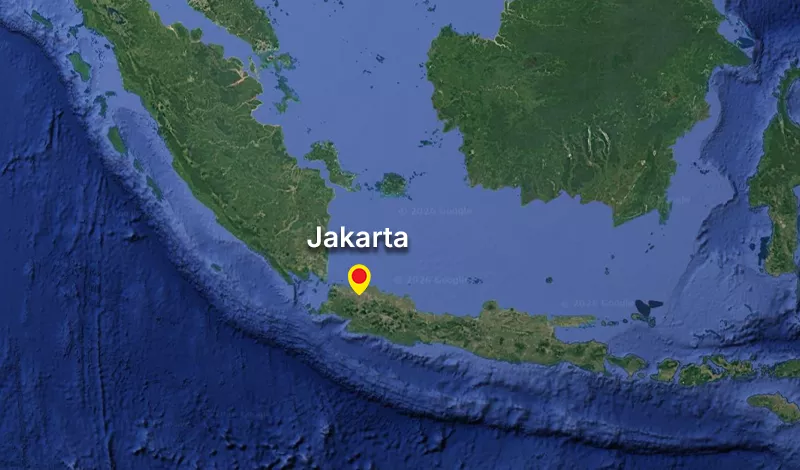
🇮🇩 Indonesia Jakarta, Indonesia
Target Wildlife:
Cattle Cattle

Project Overview

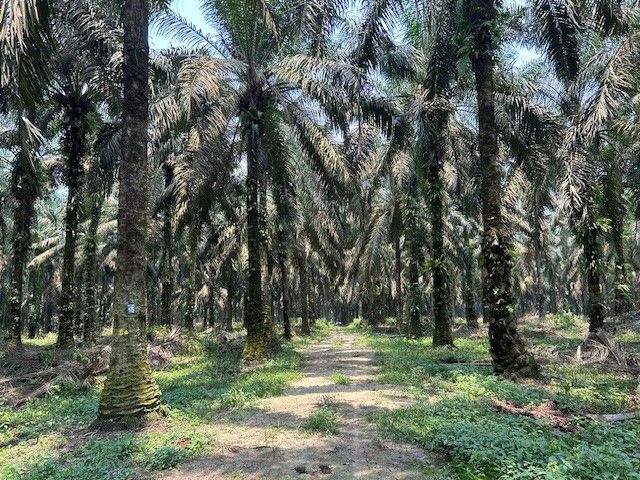
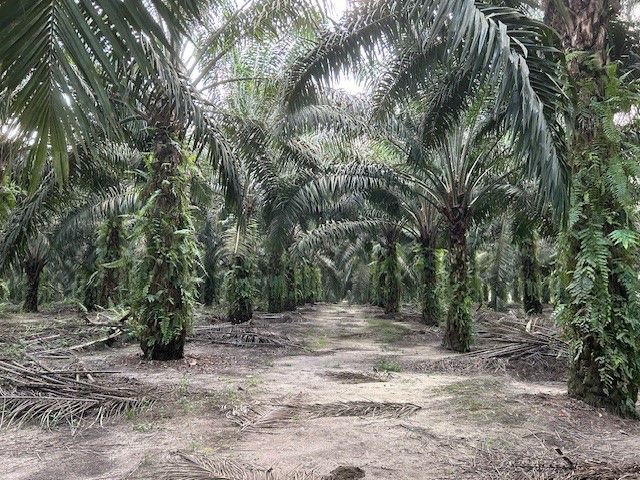
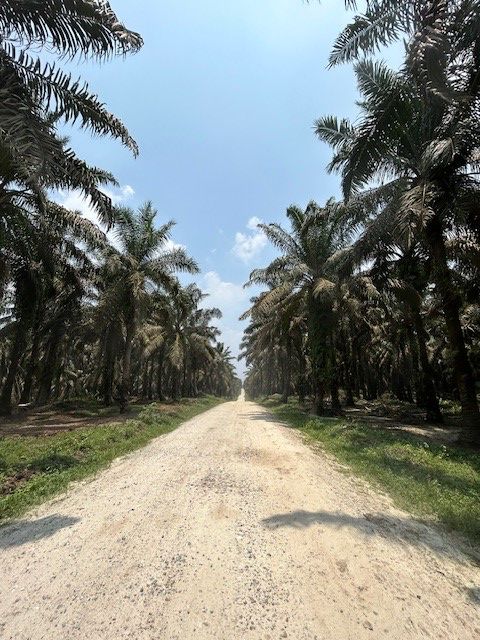
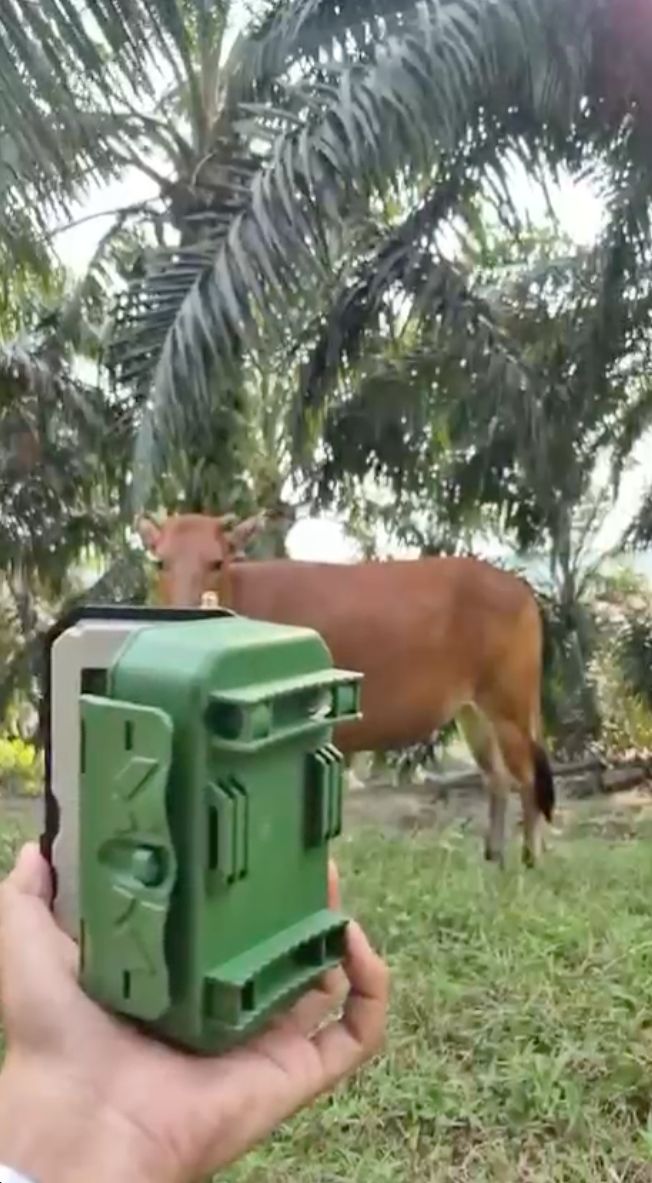
The proposed project would evaluate DeterCam for protecting vulnerable oil-palm planting areas from uncontrolled cattle access at selected PT SMART Tbk plantation sites in Indonesia.

PT SMART Tbk, part of Golden Agri-Resources and operating under the Sinar Mas Agribusiness and Food brand, manages approximately 136,000 hectares of plantations, including smallholder scheme areas, as reported at 31 March 2026. Its activities extend from cultivation and harvesting to the production of food, fuel and other palm-based products.

The initial pilot would focus on locations where site inspections and plantation records confirm repeated cattle incursions and associated damage. Its purpose would be to validate detection, assess animal responses to deterrence and measure the practical value of protecting young palms and sensitive planting areas.

Challenge

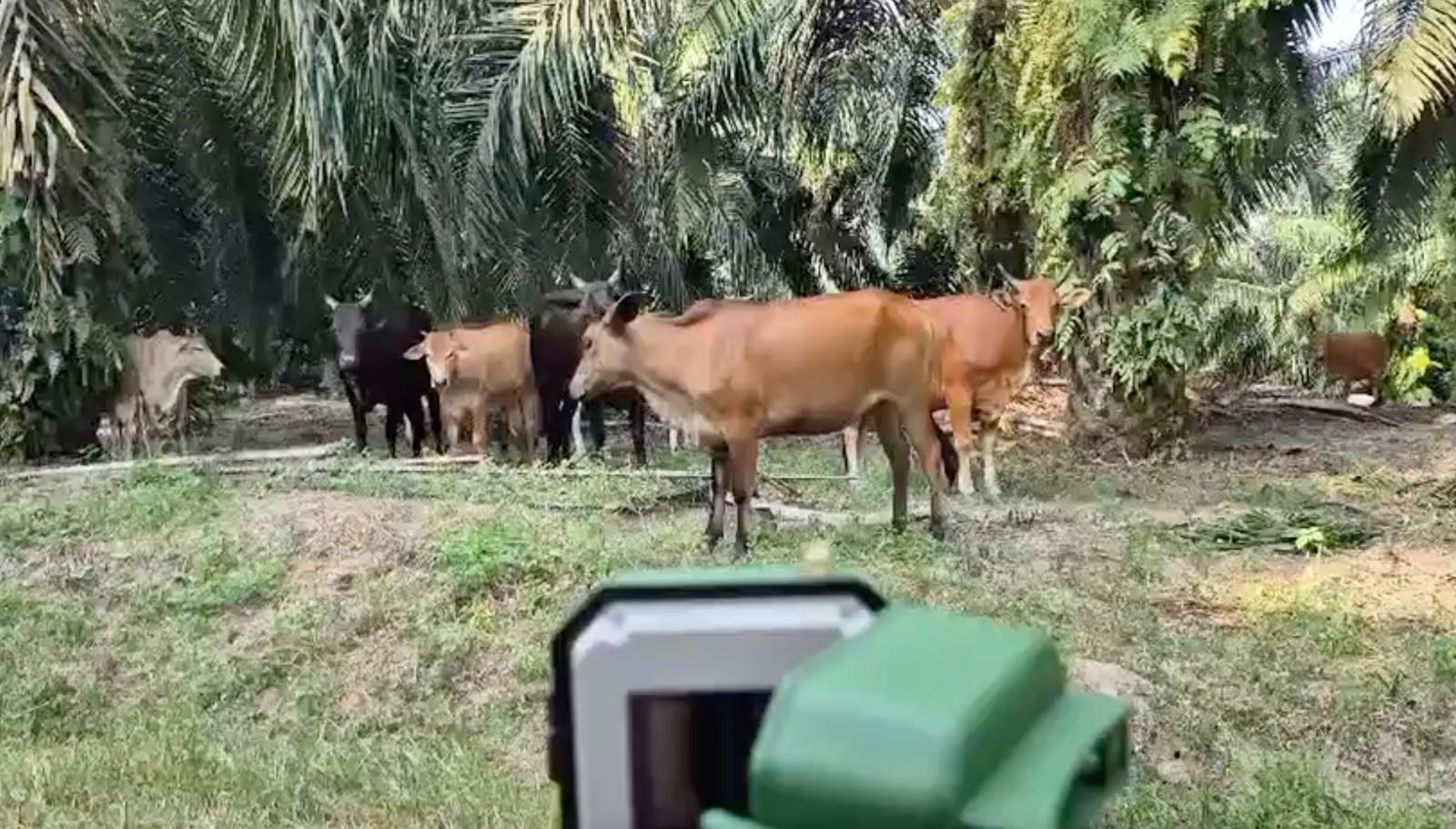
Uncontrolled cattle movement can create difficulties in young or recently replanted oil-palm blocks. Cattle may browse accessible fronds and damage vulnerable plants, while repeated trampling can disturb or compact soil around the root zone. These risks depend on palm age, soil conditions, grazing intensity and livestock management.

Research in South Kalimantan identifies concerns among plantation operators about damage to young trees, soil compaction and possible effects on yield, particularly under uncontrolled grazing. However, evidence does not establish that cattle routinely eat oil-palm roots or that all grazing reduces production. Managed cattle–oil-palm integration can also provide benefits.

Where damage is confirmed, the financial consequences can extend beyond replacing individual plants. Potential costs include replacement seedlings, planting labour, additional maintenance, delayed production and staff time spent locating and removing cattle. Any reduction in harvest revenue would need to be demonstrated through plantation records and comparison with unaffected areas.

For the proposed pilot, the challenge would be to prevent unauthorised access to vulnerable blocks while accommodating any approved grazing arrangements elsewhere on the estate.

Solution / Deployment

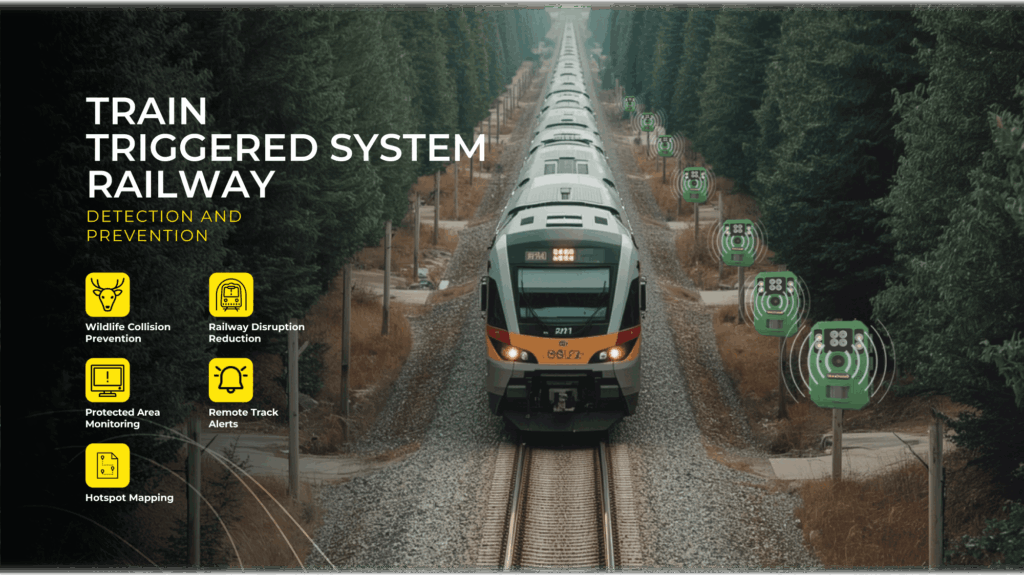
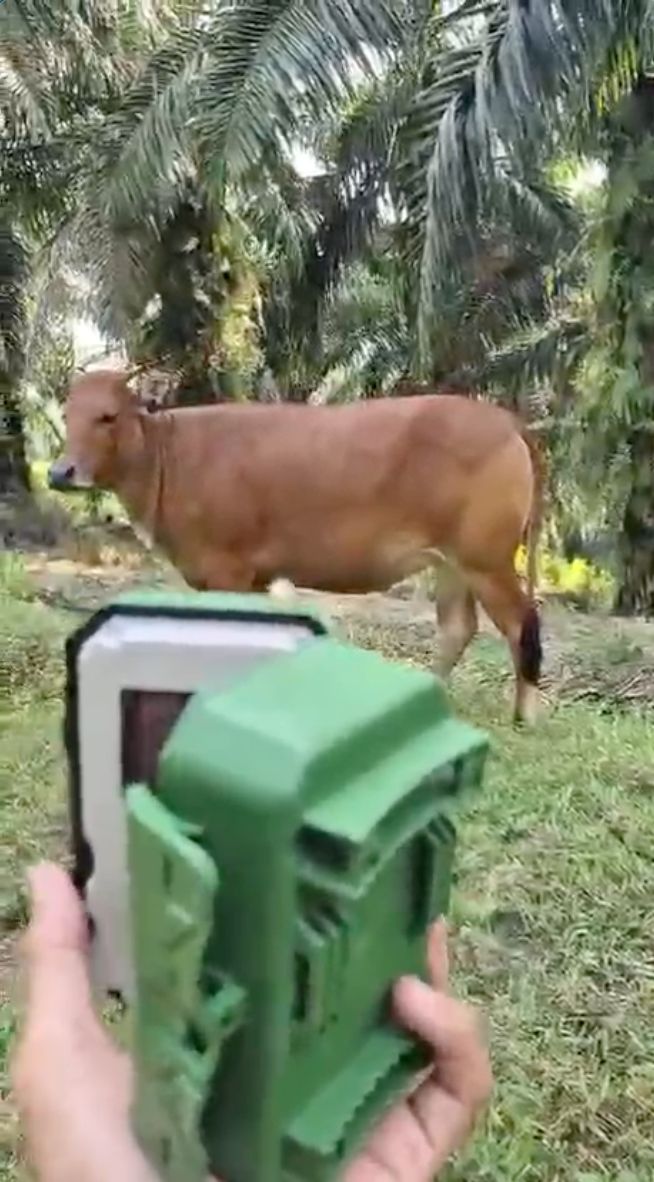
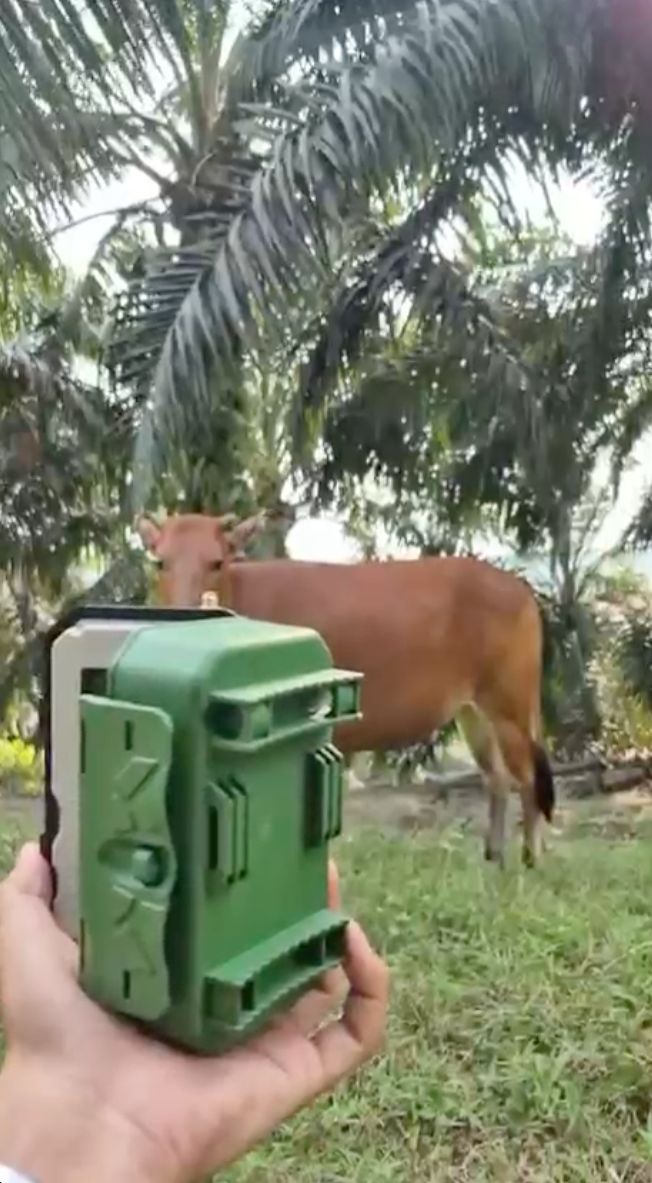
DeterCam units would be positioned at confirmed cattle entry points, frequently used approaches and boundaries around vulnerable planting blocks. Final placement would follow a site survey covering animal routes, vegetation, camera visibility, power requirements and mobile network coverage.

When cattle are detected approaching a protected area, the system would activate a targeted audible deterrent intended to discourage entry without harming the animals. Device positioning and alarm settings would be selected to encourage movement towards suitable safe areas.

The proposed configuration would include 4G connectivity, allowing event footage and notifications to be accessed through the DeterCam dashboard and mobile app. Alerts would provide the detected animal category, device ID, location and timestamp, supported by short video recordings. Delivery timing would depend on connectivity and device settings.

Recorded events would help plantation teams identify repeated incursions, prioritise intervention and coordinate with livestock owners where necessary. Reviewing footage would also support adjustments to detection settings, alarm selection and device positioning.

Objective

The pilot would assess whether automated detection and non-lethal deterrence can reduce cattle entry into designated protected areas and help prevent damage to young oil palms.

The principal objectives would be to:

– Reduce cattle incursions into vulnerable planting blocks.
– Measure changes in confirmed plant damage and replacement requirements.
– Assess detection accuracy, false alerts and deterrence responses.
– Reduce staff time spent monitoring entry points and responding to cattle.
– Improve understanding of cattle movement routes and recurring activity.
– Establish whether the benefits justify wider deployment.

The evaluation would focus on protecting areas where cattle access is unwanted, alongside the plantation’s existing livestock and land-management practices.

Key Findings / Observations

No SMART-specific deployment results or verified cattle-related financial losses have been provided. The proposed pilot would therefore begin with baseline monitoring and a documented assessment of existing damage. Performance would be evaluated against the following measures:

Assessment Area Evidence to Collect
Cattle activity Entry frequency, group size, routes, and time spent in protected areas.
Detection performance Correct detections, false alerts, and missed events identified through independent checks.
Deterrence response Observable movement away from protected areas following activation, including repeated visits.
Plant condition Newly damaged palms, severity of damage, recovery, and replacement planting.
Root-zone conditions Agronomic assessment of soil disturbance or compaction where relevant.
Operational costs Patrol time, incident response, maintenance, and plant replacement expenditure.
System reliability Connectivity, footage delivery, power availability, and maintenance needs.

Going Forward

Following the pilot, the plantation team and Innovation Factory would review the evidence to determine whether DeterCam provides a measurable reduction in unwanted cattle access and associated damage.

Results would inform adjustments to unit locations, alarm settings and coverage. Continued monitoring would assess whether cattle return to treated entry points or move towards alternative routes, allowing protection to be adapted accordingly.

If performance and economic value are demonstrated, deployment could expand to additional vulnerable blocks. Wider adoption would be based on verified damage reduction, operational savings and compatibility with the plantation’s livestock-management arrangements.

Jakarta, Indonesia

Global Deployments

Deployed by Leading Organisations

LNER
Network Rail
Irish Rail
Transport for London
British Transport Police
Hitachi
Department for Transport
KeolisAmey
DLR
SNCF
Ascendi
Etihad Rail
Ready for Deployment

Deploy DeterCam at Your Location

Interested in replicating this case study's success? Get in touch with our engineering team for a customized site survey, wildlife risk assessment, and turn-key installation plan.

Join the Innovation Factory

Book A Discovery Call To Get Started