

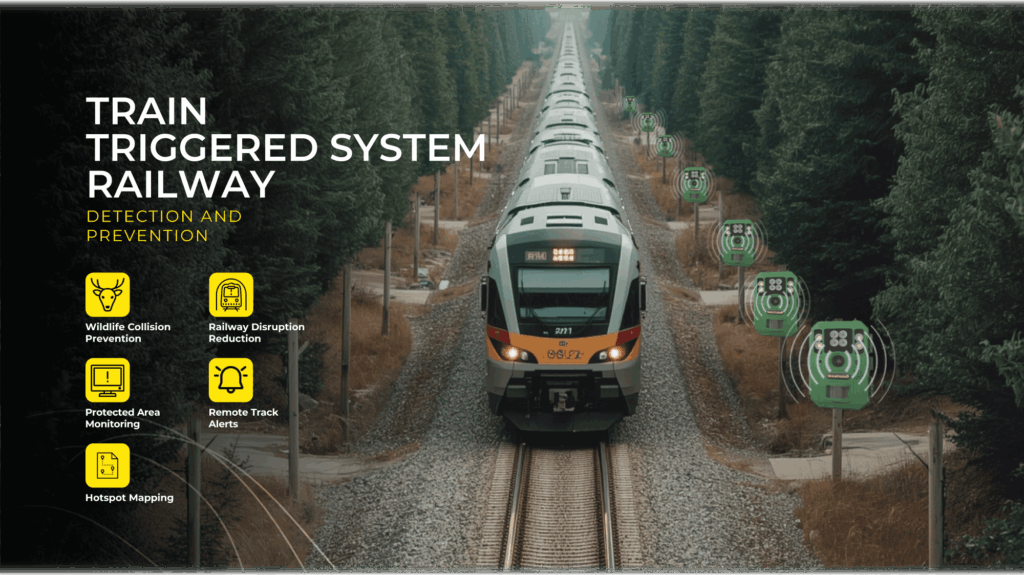
AI-Driven Bear Deterrents: The Future of Wildlife Safety
As technology advances, so do the tools we use to interact with the world around us. While traditional methods for deterring bears—like bear spray, noise devices, and bear-proof containers—are effective, new and innovative solutions are emerging, particularly in the form of AI-driven bear deterrent.
These cutting-edge systems combine artificial intelligence, sensors, and machine learning to create smarter and more efficient methods for preventing human-bear interactions.
AI-driven bear deterrents have the potential to significantly reduce the risks of bear encounters by improving the accuracy of detecting bear behaviour and issuing deterrents at the right moment. By understanding and responding to bears’ movements and environmental triggers, AI solutions can create safer experiences for both humans and bears.
How AI-Driven Bear Deterrents Work
AI-driven bear deterrents utilise a combination of sensors, cameras, and machine learning algorithms to monitor bear activity in real time. These systems are designed to distinguish between bears and other animals or humans in the area, ensuring that only actual threats are targeted.
1. Surveillance and Detection
At the core of AI-driven deterrents are cameras and motion sensors equipped with machine learning algorithms. These cameras utilise image recognition technology to detect and identify bears based on their unique physical characteristics, including size, shape, and movement patterns.
The AI system is trained to recognise these features and distinguish bears from other animals, such as deer or smaller wildlife, reducing the likelihood of false alarms.
Once a bear is detected, the system can take various actions depending on its programming and the situation. Some AI-driven systems are integrated with multiple deterrent methods, while others focus on a specific type of action.
2. Real-Time Notifications and Alerts
One of the main advantages of AI-driven bear deterrents is their ability to send real-time alerts to campers, hikers, and park rangers. These alerts are typically sent via a mobile app, text message, or other communication methods. With AI technology, the system can accurately assess the situation and warn humans well in advance of a potential encounter.
These alerts can include valuable information, such as
- The exact location of the bear.
- The time of day and environmental conditions.
- The bear’s size, species, and level of proximity.
Knowing this information allows people in the area to take proper action, whether it’s evacuating a campsite, using bear spray, or making noise to scare the bear away. The early detection provided by AI systems significantly increases the response time, helping people avoid surprise encounters.
3. Automated Deterrents
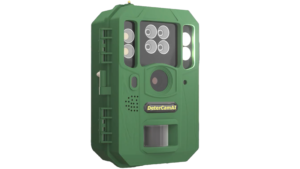
In addition to monitoring and alerting, AI systems can also be linked to automated deterrent mechanisms. These deterrents can include:
- Sound emitters: AI-driven systems can trigger loud noises when a bear is detected nearby. These sounds can range from high-pitched alarms to animal sounds, such as the noise of a larger predator, designed to scare the bear away.
- Strobe lights or flashing beacons: These light sources can disorient bears, especially at night, encouraging them to move away from a campsite or populated area.
- Bear spray systems: In more advanced applications, AI technology can trigger bear spray in the event of an encounter. Cameras equipped with motion sensors and AI algorithms can detect a bear’s proximity and release a targeted burst of bear spray to deter the animal without human intervention.
The advantage of AI-driven automated deterrents is that they are quick, responsive, and consistent. Once a bear is detected, the system doesn’t rely on human action—it can react immediately, making it much more effective in preventing dangerous encounters.
4. Tracking and Monitoring
Beyond the immediate deterrence of a single encounter, AI-driven systems can also track and monitor bear activity over time. This information can be valuable for wildlife management and conservation efforts.
For example, AI can be used to map out bear migration patterns, track the frequency of human-bear encounters, and even assess the effectiveness of different deterrent methods. Over time, this data can be used to improve the system’s accuracy and help park rangers, researchers, and wildlife experts better understand bear behaviour.
Additionally, AI-powered systems can use predictive analytics to forecast the likelihood of a bear encounter based on various factors like seasonality, weather, time of day, and food availability. This data can be used to proactively implement deterrents in areas with high bear activity, reducing the risk of human-bear interactions in the first place.
5. AI-Enhanced Learning for Smarter Deterrent
One of the most exciting possibilities of AI-driven bear deterrents is the system’s ability to learn and improve over time. By continuously analysing data from encounters, AI systems can adapt to changing bear behaviour patterns and environmental factors.
For example, if a bear begins to exhibit more aggressive or persistent behaviours, the system can adjust its response to match, using a combination of sounds, visual stimuli, or other methods to more effectively deter the animal.
Through continuous learning, AI deterrents can become more efficient and less likely to make mistakes. They can also adjust to changes in bear population dynamics, seasonal shifts, and even new environmental factors, such as wildfires or changes in food availability, making them a highly adaptable tool for wildlife management.
Advantages of AI-Driven Bear Deterrent
- Non-Invasive and Humane: Unlike some traditional deterrent, AI-driven systems offer a humane approach to deterring bears. Instead of causing harm or distress to the animal,
- These systems use non-lethal deterrents that rely on sound, light, and scent to encourage bears to stay away. This aligns with conservation efforts to protect bear populations while keeping humans safe.
- Instantaneous Response: AI-powered systems can respond to bear encounters within seconds, without waiting for human intervention. This speed is crucial in preventing attacks and ensuring that people in the area are notified or protected on time.
- Accurate Detection: AI systems are trained to differentiate between species, minimising the likelihood of false alarms. This makes it easier to focus deterrents on the right animals without affecting other wildlife or creating unnecessary noise disturbances.
- Data Collection and Insights: As these systems track bear behaviour over time, they provide invaluable insights into bear patterns, migration, and trends. This data is essential for better understanding bear populations and improving long-term strategies for coexistence with wildlife.
- Scalability: AI-driven deterrent systems can be scaled to accommodate various environments, from individual campsites and hiking trails to large-scale wildlife management areas and national parks. Their flexibility makes them suitable for a wide range of applications, including urban and rural settings.
Challenges and Considerations
While AI-driven bear deterrent present an exciting innovation, they are not without challenges. For one, these systems can be expensive to install and maintain, making them less accessible for individuals and small-scale users. Moreover, as with any technology, there is the potential for malfunction or technical issues, which could leave people vulnerable to bear encounters if the system fails.
Furthermore, there is the issue of privacy concerns surrounding the use of surveillance cameras in outdoor areas. Although these cameras are intended for wildlife monitoring, their use could raise concerns about surveillance of individuals in public spaces.
Clear regulations and transparency will be essential to ensure that these systems are used ethically and responsibly.
Conclusion: Embracing the Future of Bear Safety
As we continue to innovate and develop new technologies, AI-driven bear deterrents represent the future of wildlife safety. These systems provide a safer, more efficient way to prevent dangerous bear encounters, leveraging artificial intelligence to identify bears and respond appropriately quickly.
By combining traditional methods with new technologies, we can create a more harmonious coexistence between humans and wildlife. With the help of AI, we can keep both people and bears safe while preserving the natural beauty of the wilderness for generations to come.
Whether you are a hiker, camper, or wildlife enthusiast, investing in AI-driven bear deterrents could be the key to enjoying nature without compromising safety.