

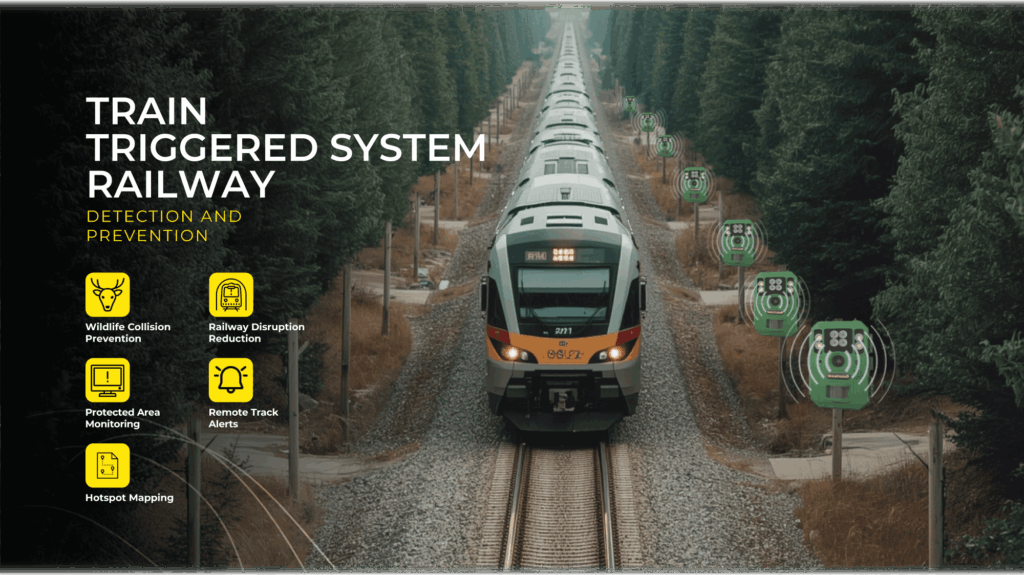
The Ultimate Guide to Effective Bat Deterrents
Bats are important for ecosystems. They help with pollination and control pests. However, they can cause problems for homeowners, farmers, and property managers.
When bats nest in attics or feed in crop fields, they can create noise and droppings. This can lead to damage in crops.
Bat deterrents are effective and humane tools. They keep bats away without harming them or disturbing the environment.
If you have issues with bats, this guide will help you find modern solutions. We will look at ultrasonic deterrents, AI sensors, and non-invasive methods. By the end, you will understand how these deterrents work and why they are a good investment.
What Is a Bat Deterrent?
A bat deterrent is a device that keeps bats from settling in unwanted places. It also helps keep bats safe.
These deterrents use advanced technology instead of smells or chemicals. They may use ultrasonic sound waves or AI to change how bats behave. These methods focus on bats’ natural instincts to find safe and quiet spots. This encourages them to leave without getting hurt.
Modern deterrents address the main problem. They also think about environmental issues and legal protections. Many areas protect bats as a species.
Why Consider Using a Bat Deterrent?
Using a bat deterrent has many benefits, both now and in the future. Here’s why you should consider these solutions:
1. Eco-Friendly Pest Management
Bat deterrents are better than traps or chemicals. They help keep bats away while protecting the food chain. This way, they do not harm other animals or disrupt ecosystems.
2. Protect Your Property
Bats can damage your property, whether it’s a farm or an attic. Their droppings, called guano, can stain walls and spread diseases like histoplasmosis. If bats eat too much, crops can suffer. Deterrents provide an easy way to prevent problems before they get worse.
3. Cost-Efficiency Over Time
Using deterrents is often cheaper than fixing structural damage. One device can protect crops for multiple seasons or help with home maintenance for several years.
4. Compliance With Wildlife Laws
Bats are often protected by law. Using humane deterrents helps you follow these rules while still solving your problems.
Types of Bat Deterrents
When looking for bat deterrents, it’s important to pick a method that fits your needs. Here are some of the best and most common solutions today.
1. Ultrasonic Bat Deterrents
Ultrasonic deterrents are among the most effective options available. They produce high-frequency sound waves that people cannot hear but disrupt bats’ echolocation. This sound makes it hard for bats to navigate their surroundings. Here is the adjusted text:
“`
This effectively keeps bats from staying in the area.
Features to Look For in Ultrasonic Devices:
– Adjustable frequency ranges to work against different bat species.
– Weatherproof models for indoor and outdoor use.
– Wide sound coverage for larger spaces or farms.
Why Choose Ultrasonic Solutions?
These devices are great for places where bats are a problem at night. Bats use echolocation at night to find food or rest. This technology targets their nighttime activities. It does not disturb you or your neighbors.
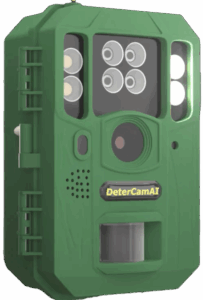
2. AI-Powered Bat Deterrents
AI-powered sensors take modern bat deterrence to the next level. These systems use artificial intelligence to find certain bat behaviors. They look for patterns in movement or sound. The systems activate deterrents only when bats are nearby.
Key Advantages:
- Energy-Efficient: These devices remain dormant until bats are detected, saving power and preventing unnecessary activation.
- Highly Accurate: By analyzing bat-specific patterns, they minimize false triggers caused by other wildlife.
Farmers, in particular, find AI-powered systems invaluable for crop protection. They deter bats at critical moments, like harvest periods, without requiring constant monitoring or intervention.
3. Non-Invasive Deterrent Methods
For those seeking all-natural, humane ways to deter bats, non-invasive methods are an excellent choice. These involve creating environments that bats find less appealing, such as adjusting lighting or minimizing their entry points.
Popular Non-Invasive Techniques:
- Installing bright lights in areas where bats roost, as they prefer darker locations.
- Sealing off attic vents or cracks using mesh screens.
- Placing reflective objects (e.g., foil or mirrors) to disturb and confuse bats visually.
Non-invasive methods are particularly appealing for residential settings where technology-based solutions may not be as practical. They serve as a preventive measure to stop bats from returning once they’ve relocated.
How to Choose the Right Bat Deterrent
When choosing a bat deterrent, consider these factors. This will help you get the best results while staying on budget.
1. Determine Your Needs
Are you protecting a small indoor space, such as an attic, or covering acres of farmland? For smaller areas, ultrasonic deterrents or non-invasive techniques may suffice. For larger spaces, an AI-powered system might be a worthwhile investment.
2. Evaluate Local Regulations
Depending on your location, certain bat species might be protected by law. Before implementing any deterrent, ensure compliance and consult local guidelines if necessary.
3. Prioritize Durability and Maintenance
Look for deterrents that are weather-resistant and long-lasting, particularly if you’re installing them outdoors. Features like remote monitoring or low-maintenance designs can save you time and effort in the long run.
Debunking Myths About Bat Deterrents
Despite their growing popularity, bat deterrents still face some common misconceptions. Here’s the truth behind the myths:
Myth 1: Bat deterrents are harmful to bats.
Fact: Designers create quality deterrents to ensure they are humane and non-lethal. They disrupt bats’ behavior but don’t cause injury or distress.
Myth 2: Ultrasonic devices only work for small spaces.
Fact: Many ultrasonic models now feature expansive coverage zones, making them suitable for larger areas, like barns or fields.
Myth 3: Bats will quickly adapt to deterrent signals and return.
Fact: High-quality deterrents with adjustable settings can prevent habituation, ensuring long-term effectiveness.
Final Thoughts
Bat deterrents do more than just react to problems. They help keep your home, farm, or property safe.. At the same time, they respect wildlife. Technologies like ultrasonic and AI-powered deterrents have revolutionized the way we manage bat-related challenges, offering efficient, humane, and eco-friendly solutions.
If you’re ready to take action, explore our range of cutting-edge bat deterrent products designed to meet various needs. Don’t wait start protecting your space today with solutions that work seamlessly.
Call to Action
Discover the future of bat deterrence! Look at our range of ultrasonic and AI-powered bat deterrents. Take the first step to a bat-free space. Contact Us for personalized recommendations tailored to your requirements.