


What Is Fly Tipping? Tackling Illegal Dumping with AI-Powered Solutions
Fly tipping, also known as illegal dumping, is the illegal disposal of waste on land that is not designated for waste management. It typically involves the disposal of household, commercial, or industrial waste in locations such as roadsides, public parks, or private property without proper permission. This activity is a pressing global issue with far-reaching environmental, economic, and social consequences.
However, advancements in technology are offering a glimmer of hope. One remarkable innovation is the use of AI-powered hidden cameras equipped with advanced vision technology to combat fly tipping. This blog will explore what fly tipping is, the challenges associated with it, and how AI-powered solutions are making a positive impact in reducing illegal dumping.
Understanding Fly Tipping and Its Consequences
What Is Fly Tipping?
The term “fly tipping” originates from the verb “to tip,” meaning to dump, and “on the fly,” indicating it is done quickly and illegally. Fly tipping often involves waste such as furniture, appliances, construction debris, and garden refuse. However, in severe cases, hazardous materials like asbestos or industrial chemicals are also dumped illegally, compounding the problem.
The Environmental Impact of Fly Tipping
Fly tipping poses a significant threat to the environment:
- Contamination of Land and Water: Illegal waste can leach harmful chemicals into the soil and waterways, damaging ecosystems and endangering wildlife.
- Pollution: Hazardous materials contribute to air and soil pollution, negatively impacting local habitats.
- Loss of Natural Beauty: Piles of dumped waste ruin scenery and degrade the aesthetic appeal of natural spaces.
Financial and Social Costs
The costs of combatting fly tipping are substantial. Local authorities across the UK spend millions annually to clear illegally dumped waste. These funds could be allocated to other essential services like education, healthcare, or infrastructure development.
Socially, fly tipping affects community pride and safety. Abandoned waste piles can attract vermin, create odours, and even lead to dangerous accidents. It leads many to feel that public spaces are neglected, fuelling further illegal dumping and urban decay.
The Legal Implications
Fly tipping is not just a nuisance; it is a criminal activity. Penalties for those caught fly tipping include:
- Fixed penalty notices or on-the-spot fines.
- Prosecution that could result in fines up to £50,000, community service orders, or even imprisonment.
Despite these penalties, enforcement often falls short due to difficulties in identifying and catching offenders.
Clearly, fly tipping needs immediate and effective solutions. That’s where technology steps in.
AI-Powered Fly Tipping Detection as a Game-Changer
A High-Tech Solution to Illegal Dumping
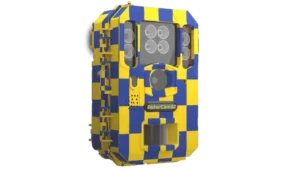
Advances in artificial intelligence (AI) and machine learning have unlocked smarter ways to tackle fly tipping. One such game-changing innovation is AI-powered hidden cameras designed specifically to identify and prevent illegal waste disposal.
These cameras feature advanced vision technology that allows them to detect and record instances of fly tipping in real-time. Unlike traditional CCTV systems, they are not merely reactive but proactive tools for prevention and enforcement.
How It Works
AI-powered fly tipping detection systems are equipped with cutting-edge capabilities:
- Real-Time Monitoring: The cameras remain continuously vigilant, scanning designated areas for signs of illegal dumping.
- Advanced Image Recognition: Using AI algorithms, the cameras can accurately identify waste materials, vehicles, and even individuals engaged in illegal dumping.
- Data Collection: These systems record clear images of licence plates and offenders, creating a strong evidential trail.
- Automated Reporting: Once the system detects fly tipping, it automatically sends a detailed report, including the evidence captured, to local councils or police authorities. This ensures prompt action, such as contacting the offenders or initiating legal proceedings.
Why This Technology Stands Out
While traditional surveillance may act as a deterrent, AI-powered systems take an active role in combating the issue. They not only identify offenders but also provide the means for quick and effective enforcement. Furthermore, they minimise human intervention, reducing labour and operational costs for local councils.
The Key Benefits of AI-Powered Fly Tipping Detection
Precision and Reliability
AI-powered cameras can perform complex recognition tasks with precision. Unlike human operators who may miss details or experience fatigue, these systems are 24/7 reliable. They can differentiate between legitimate activities, such as road maintenance, and actual fly tipping, eliminating false alarms.
Deters Potential Offenders
Knowing they are monitored by high-tech systems can discourage individuals or businesses from attempting to fly tip. Positioned in high-risk areas, these systems create a strong psychological barrier against illegal activity.
Cost-Effectiveness
While there is an initial cost associated with deploying AI-powered cameras, the long-term savings outweigh this investment. Councils save money on monitoring staff, enforcement investigations, and cleanup operations.
Boosts Environmental Initiatives
AI-powered detection aligns with global goals to create environmentally sustainable communities. By reducing the volume of waste illegally dumped, these systems play an active role in cleaner, healthier, and greener public spaces.
Enhanced Law Enforcement
With clear evidence captured by the cameras, authorities are better equipped to enforce penalties. Stronger enforcement acts as a further deterrent, breaking the cycle of repeat offenders.
Supports Resource Allocation
With automated detection and reporting, council resources can be reallocated to areas that need them most. Instead of spending excessive time and funds on cleanup, councils can focus on prevention and community awareness campaigns.
The Measurable Impact of AI on Fly Tipping Reduction
Several local councils across the UK have already implemented AI-powered fly tipping detection systems with remarkable results. These areas have reported a significant drop in illegal dumping incidents. Some specific examples include:
- Reductions in Repeat Offences: Offenders are less likely to return to previously targeted areas once they know cameras are installed.
- Faster Response Times: Automated systems enable authorities to act quickly, reducing the window in which dumped waste harms the environment.
- Cleaner Public Spaces: Communities are seeing real benefits in terms of cleaner streets, parks, and surroundings, boosting morale and public pride.
Additionally, as awareness of these systems grows, communities themselves become active participants by reporting problem spots, further enhancing fly tipping prevention efforts.
Looking Ahead: A Future with Smarter Waste Management
Fly tipping is a persistent issue, but with AI-powered detection solutions, there is growing hope for a substantial reduction in illegal dumping. These systems do not just address the symptoms of fly tipping but strike at its very roots by making it harder for offenders to operate and easier for councils to enforce policies.
Looking ahead, integrating AI with other technologies such as smart waste bins and predictive analytics could reshape waste management entirely. Citizens, local councils, and law enforcement agencies all have a role to play in creating a fly tipping-free future. Together, we can turn these technological innovations into an enduring solution for a cleaner environment.
Final Thoughts
Now more than ever, cities and councils must take action against illegal dumping. Understanding “what is fly tipping” is only the starting point; the real focus must be on effective solutions. AI-powered fly tipping detection is proving to be a revolutionary step towards safer, cleaner communities. By investing in innovative technologies and strengthening enforcement measures, we can build a world where illegal waste dumping becomes a thing of the past.